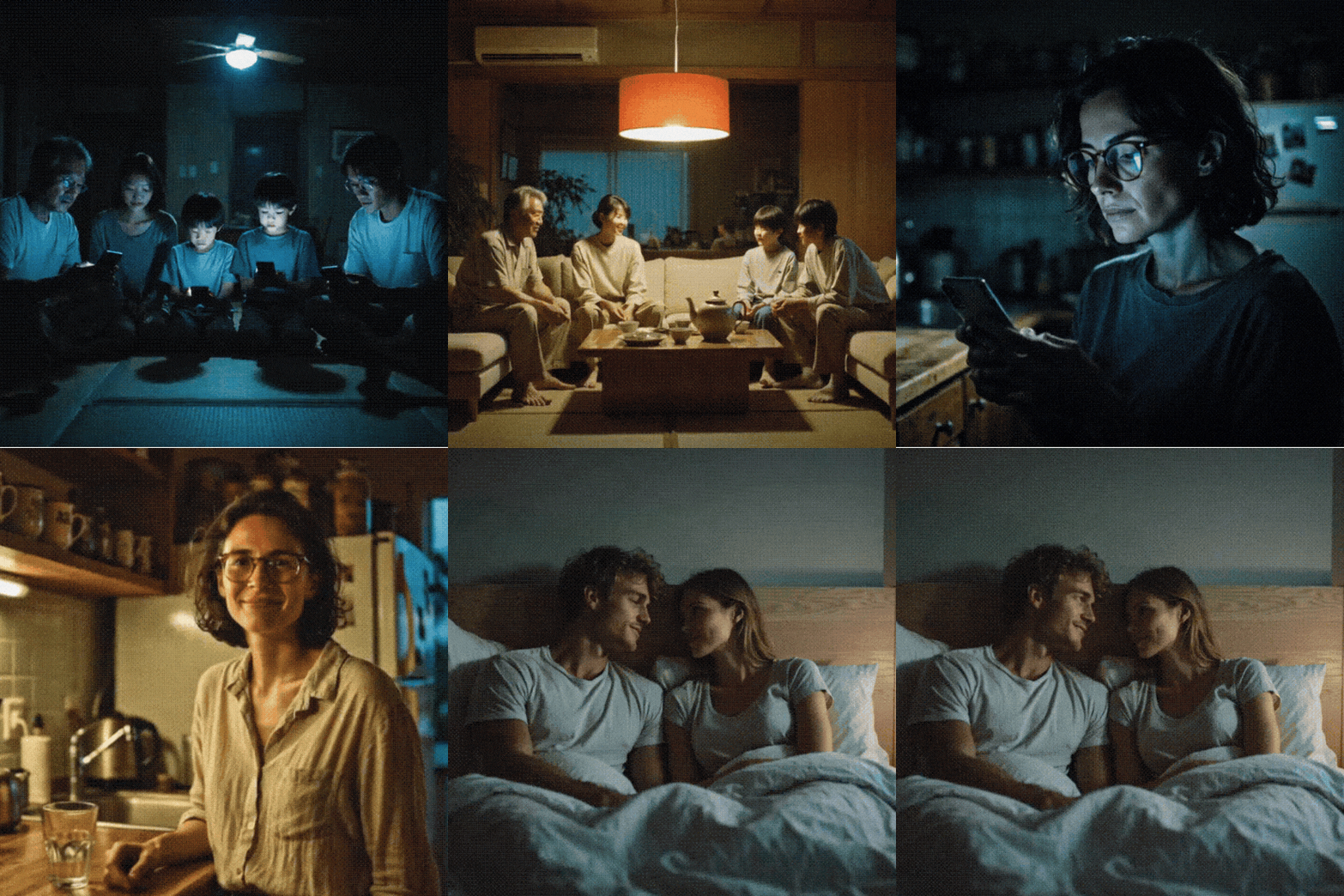
Time Ritual
An object designed to be more present by putting your phone away.
Timeline
2025
The question of how to be offline keeps popping in my head
Initial Research
the concept starts forming
Jan - Feb 2026
Joined Home of the Home Lab IKEA x Älmhult incubator
Build MVP #1
Test MVP#1 with users
Collect and process insights

Mar-Apr 2026
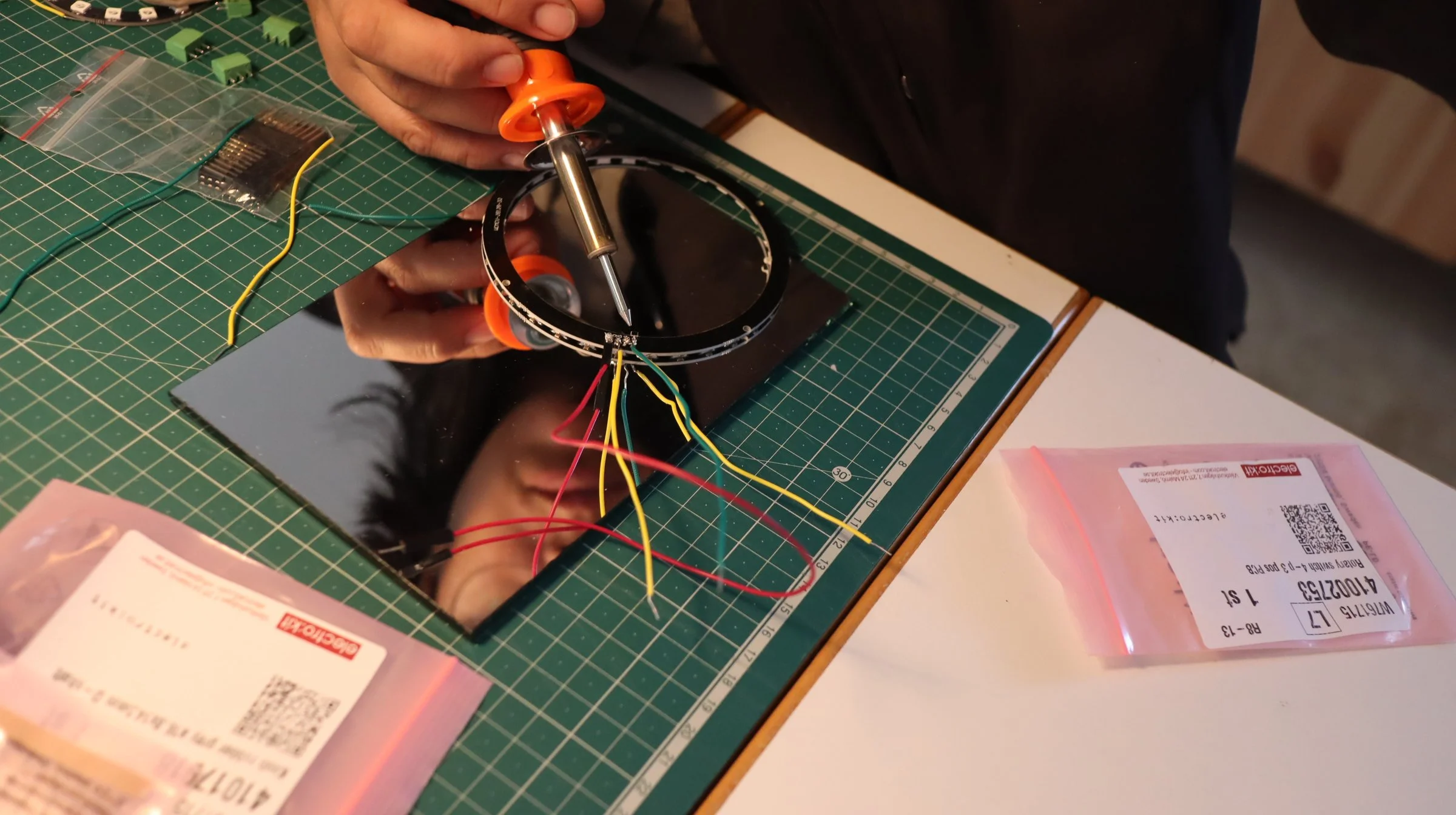
Build MVP #2
Test MVP#2 with users
Collect and process insights
May-Aug 2026
Design and build final prototype
Set up production
Make it available to others
THE ORIGINAL CONCEPT WAS A LAMP TO MAKE USERS PUT THEIR PHONE AWAY.
YOUR PHONE IS ADDICTIVE
That’s where it al started. A continuation of an early exploration of physical objects to modify digital behavior. An exploration of how we use our phone in our home and the need to find a solution to put it away and get time and attention back.
If time is precious, if attention is valuable, why give it away? what if there was an object for the home that pays tribute to value, exploring the home as a sanctuary.
An offline RItual that promotes attention minimalism, the practice of reducing time in the phone world to improve focus and mental clarity.

Why a lamp
Because is essential and naturally immersive. The idea was to create an object that could operate based on how the user interacted with the phone.
A Lamp Ritual exploring the home as a space to inhabit time.
how it works
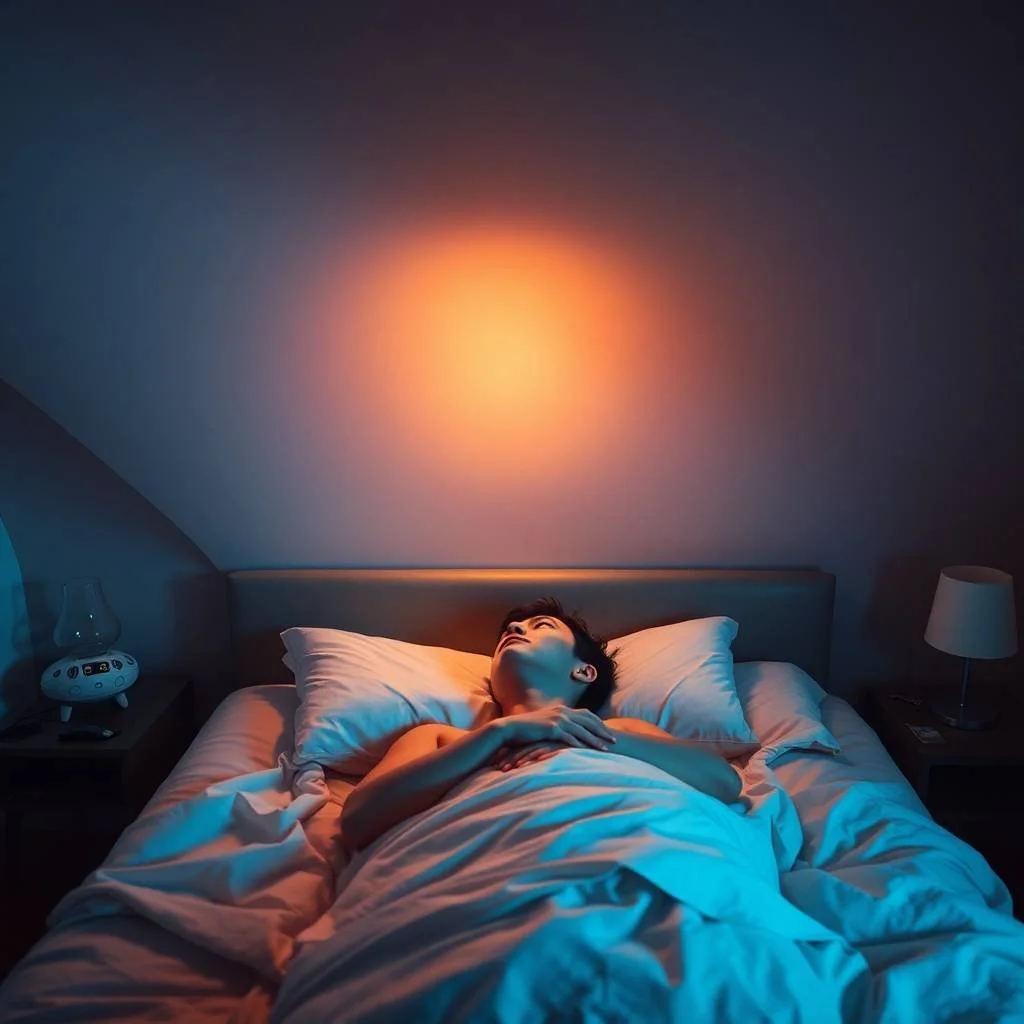
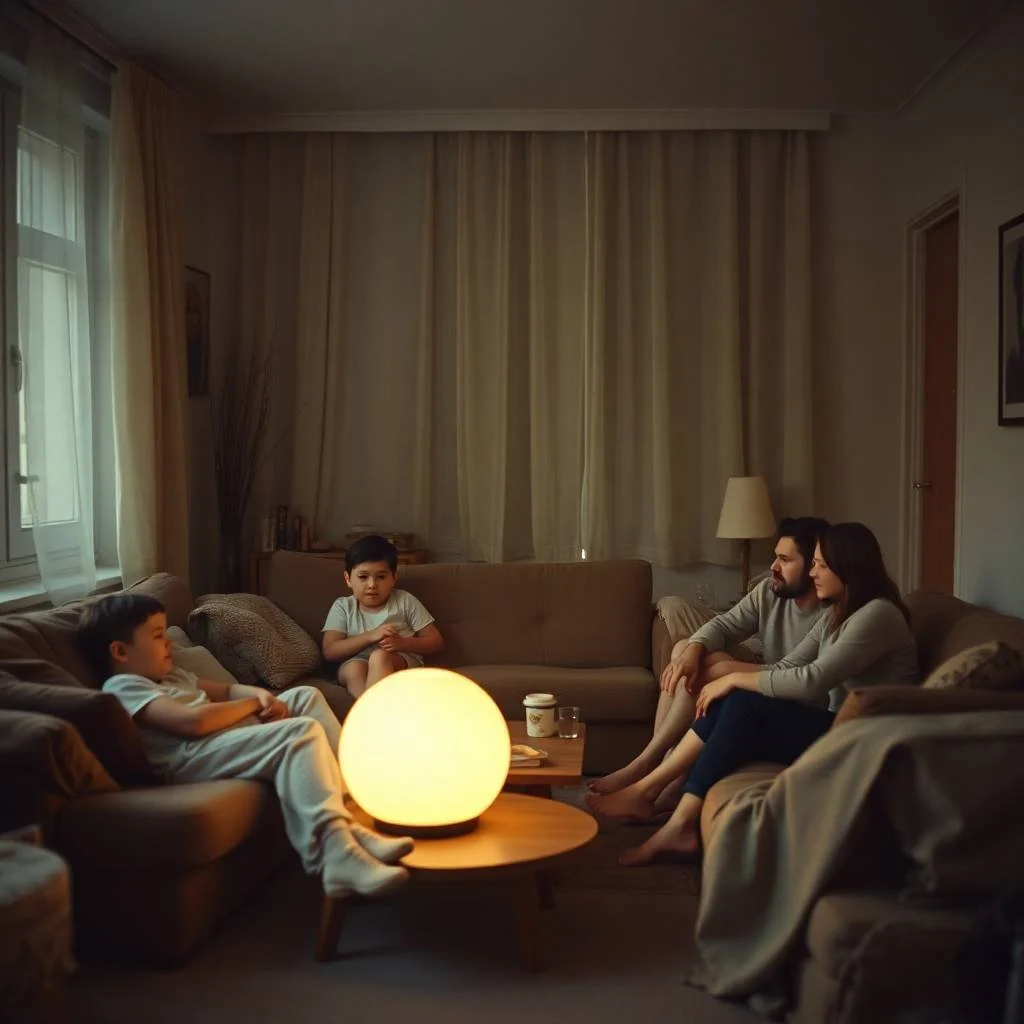
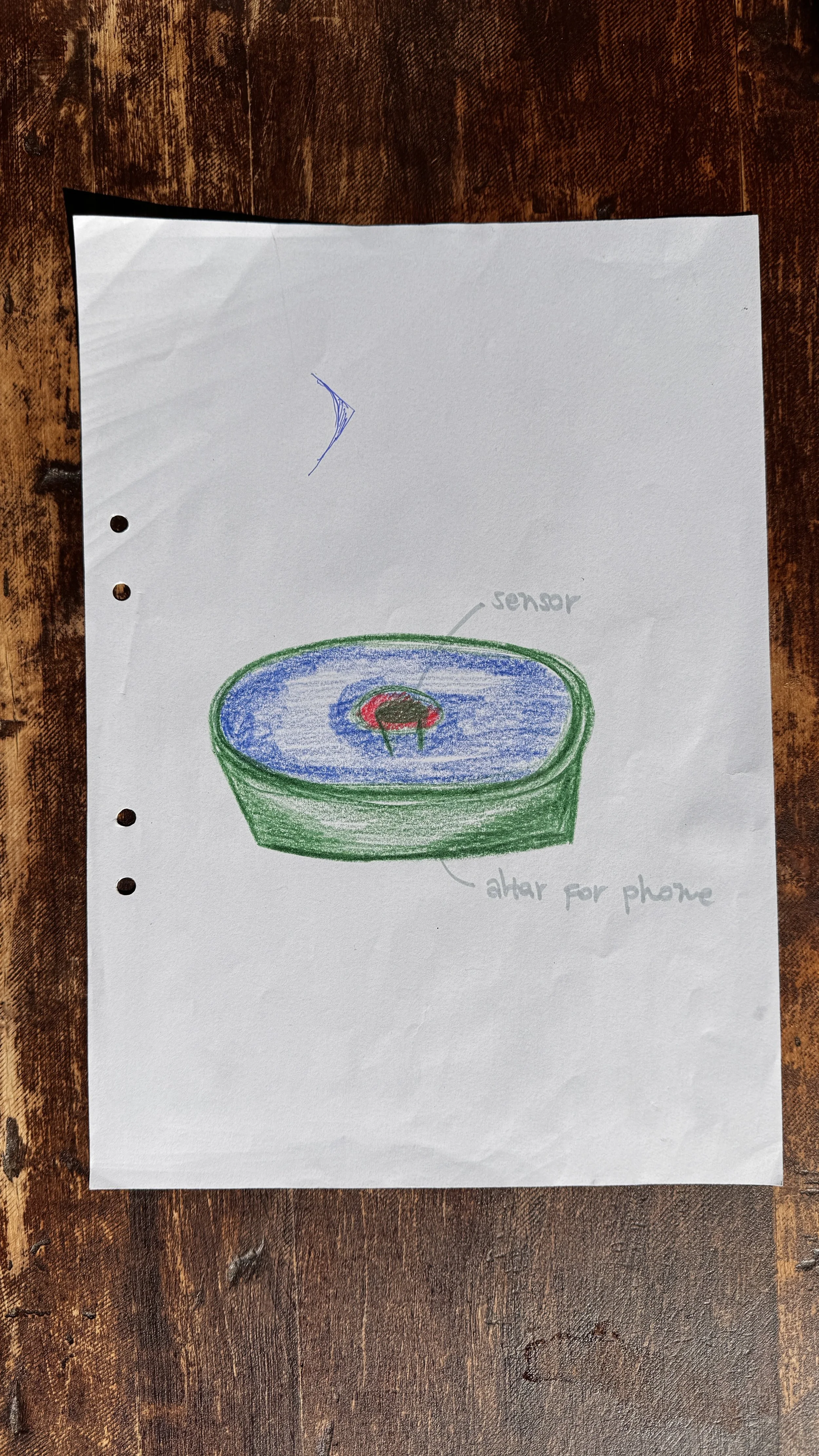
The lamp worked together with a space to leave the phone, an altar. When the user would put the phone in the altar, the lamp will turn on, when the user takes the phone, the lamp switch off, leaving the user scrolling in the darkness.
Mood board showing the users when when putting their phone away.
December 2025



Initial ideas for the altar

exploring the concept
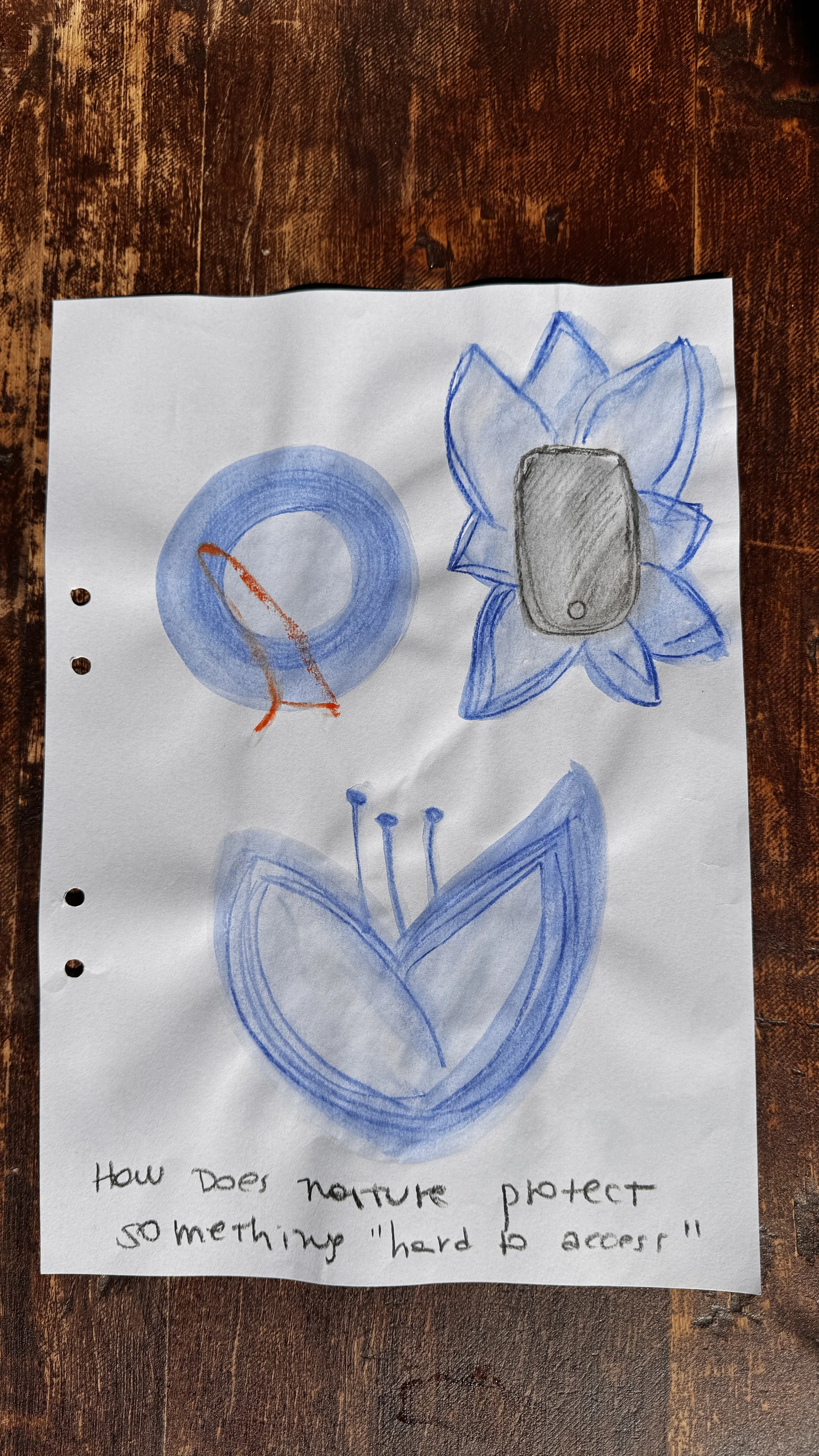
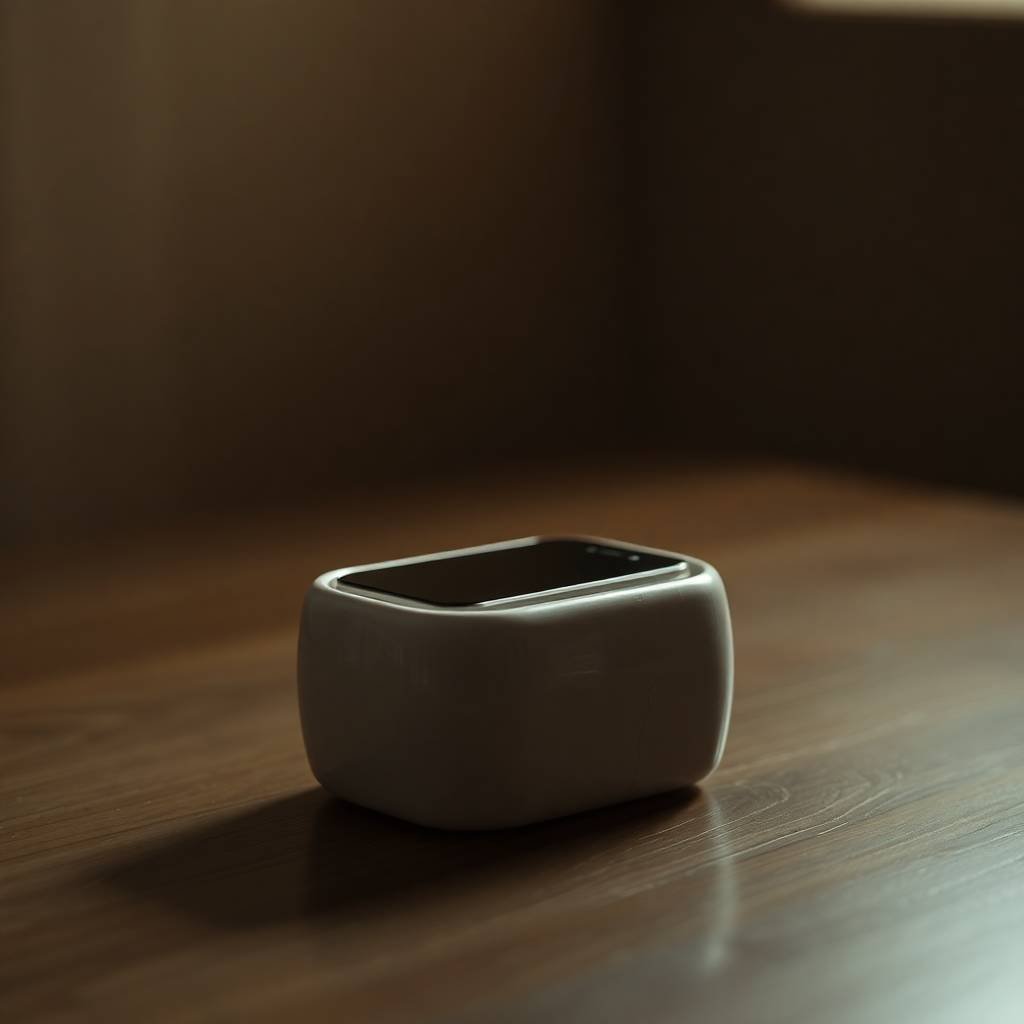

HOW-TO DESIGN FOR HUMAN EMOTIONS
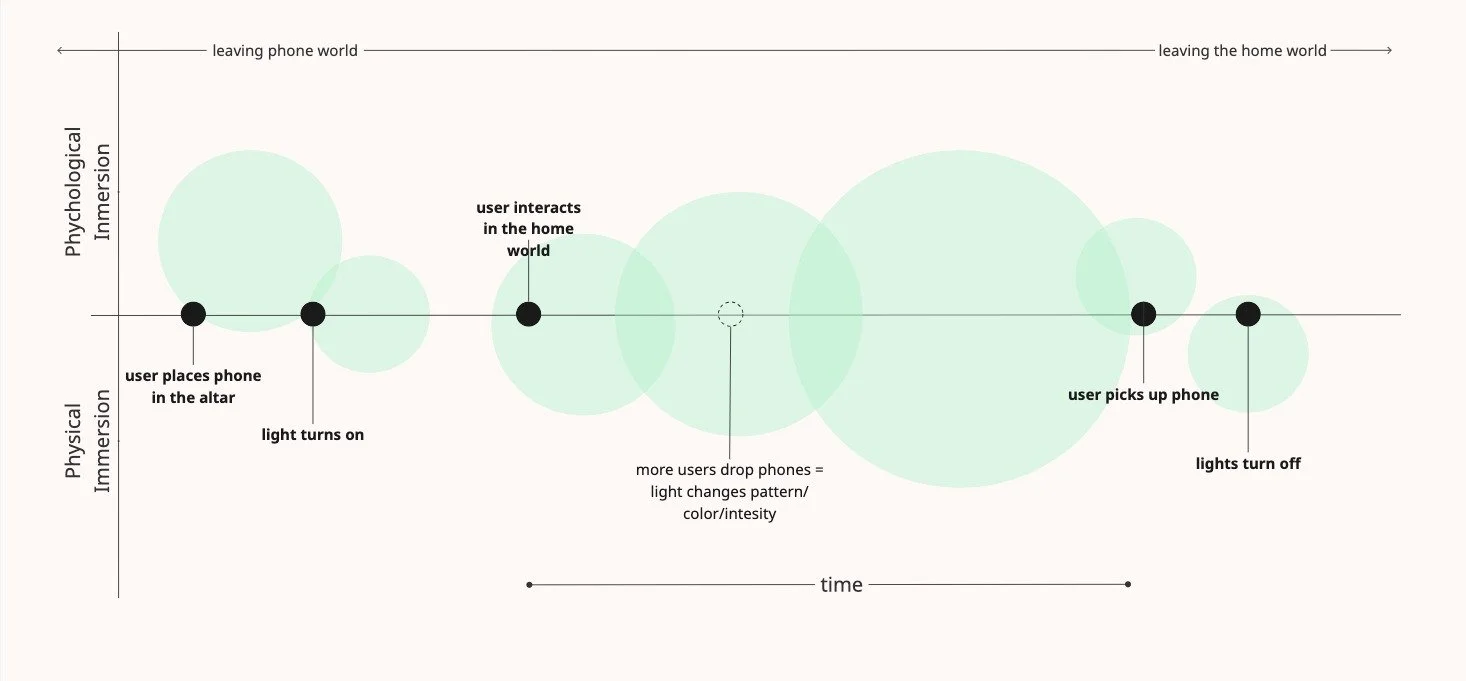
The design process followed the design of the emotional journey for the user. The objective is to create an emotional change in the user that evolves through time.
THE EXPERIENCE FLOW
Physical immersion:
Visual and spatial immersion. Involves sensorial engagement.
Psychological Immersion
Being psychological engaged, into the story.
Ontological Immersion
Users become meaningfully or spiritually engaged with their home, with themselves and or with others in the same space.
Testing the idea and learning about people’s emotions for their phone.
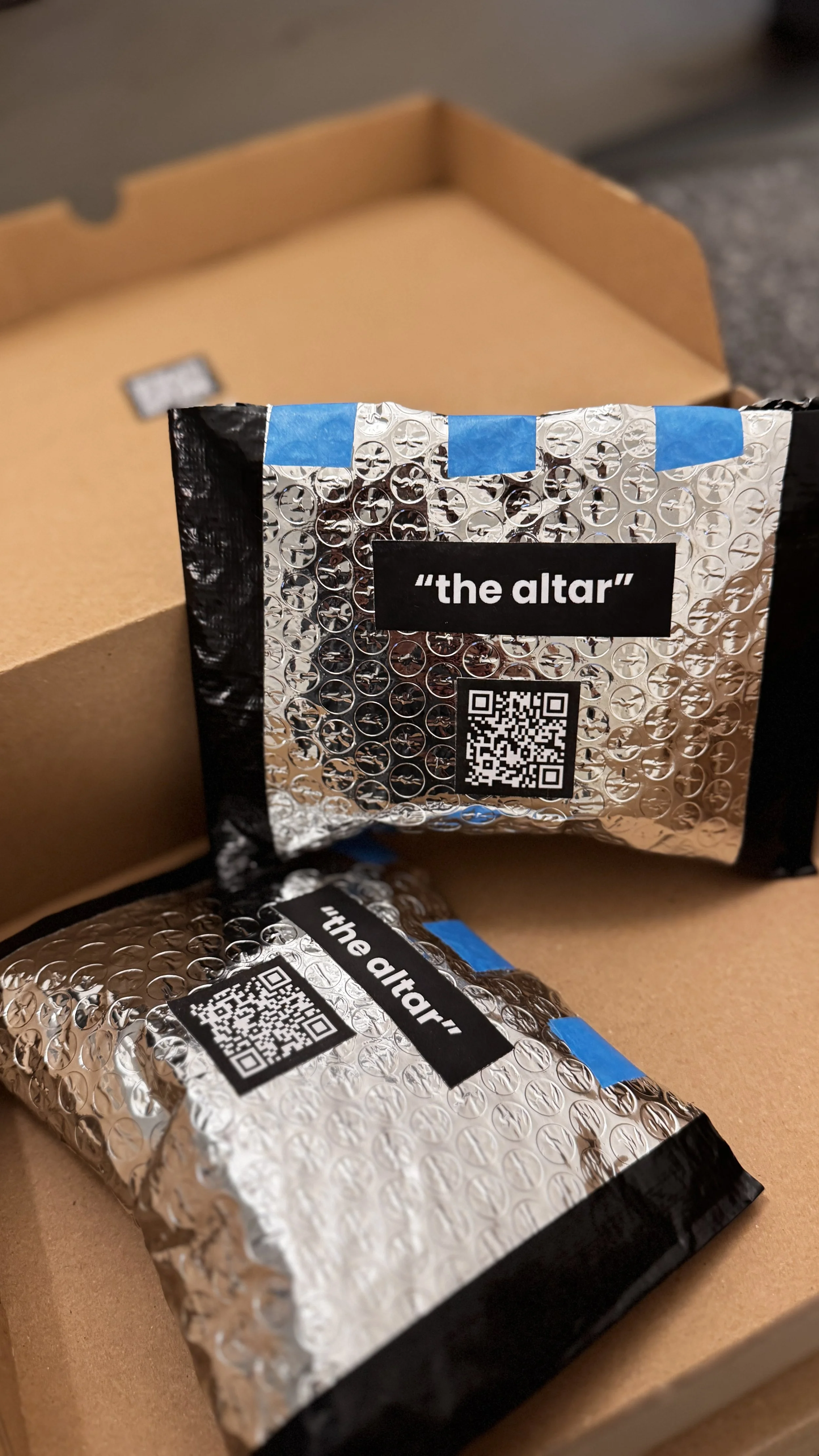
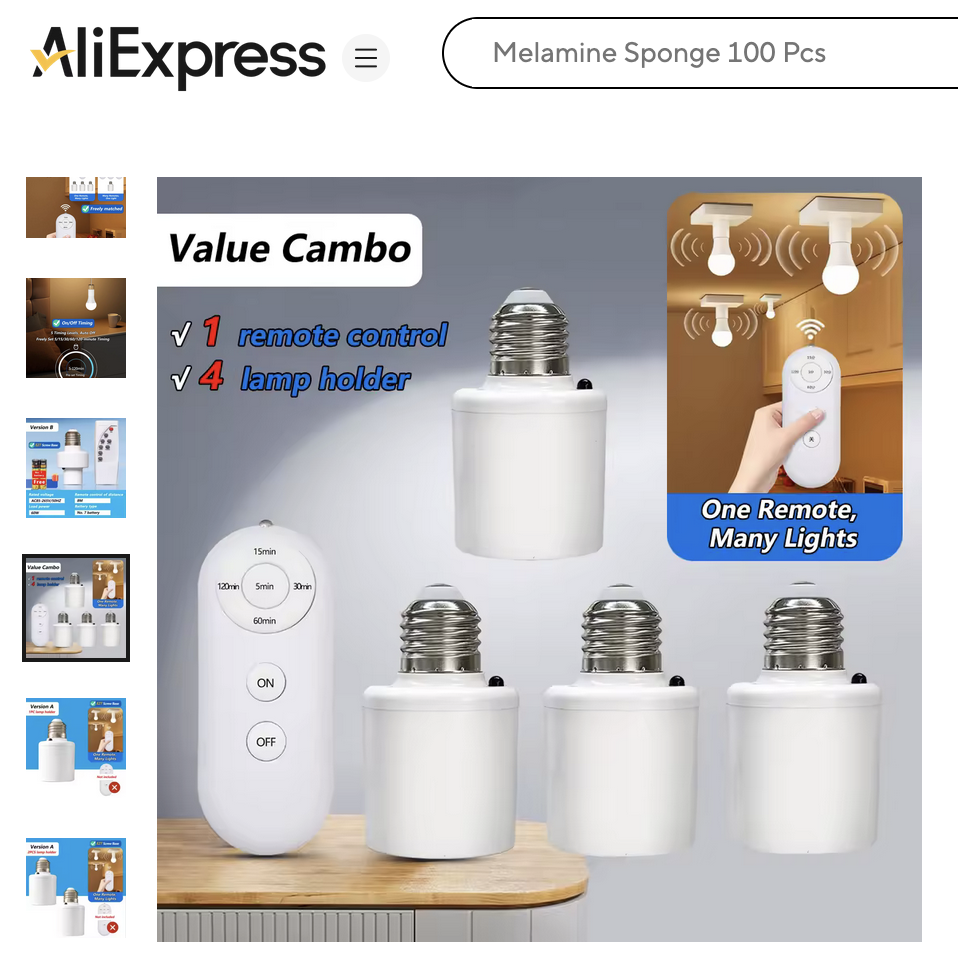
I built 7 prototypes to test out with users.
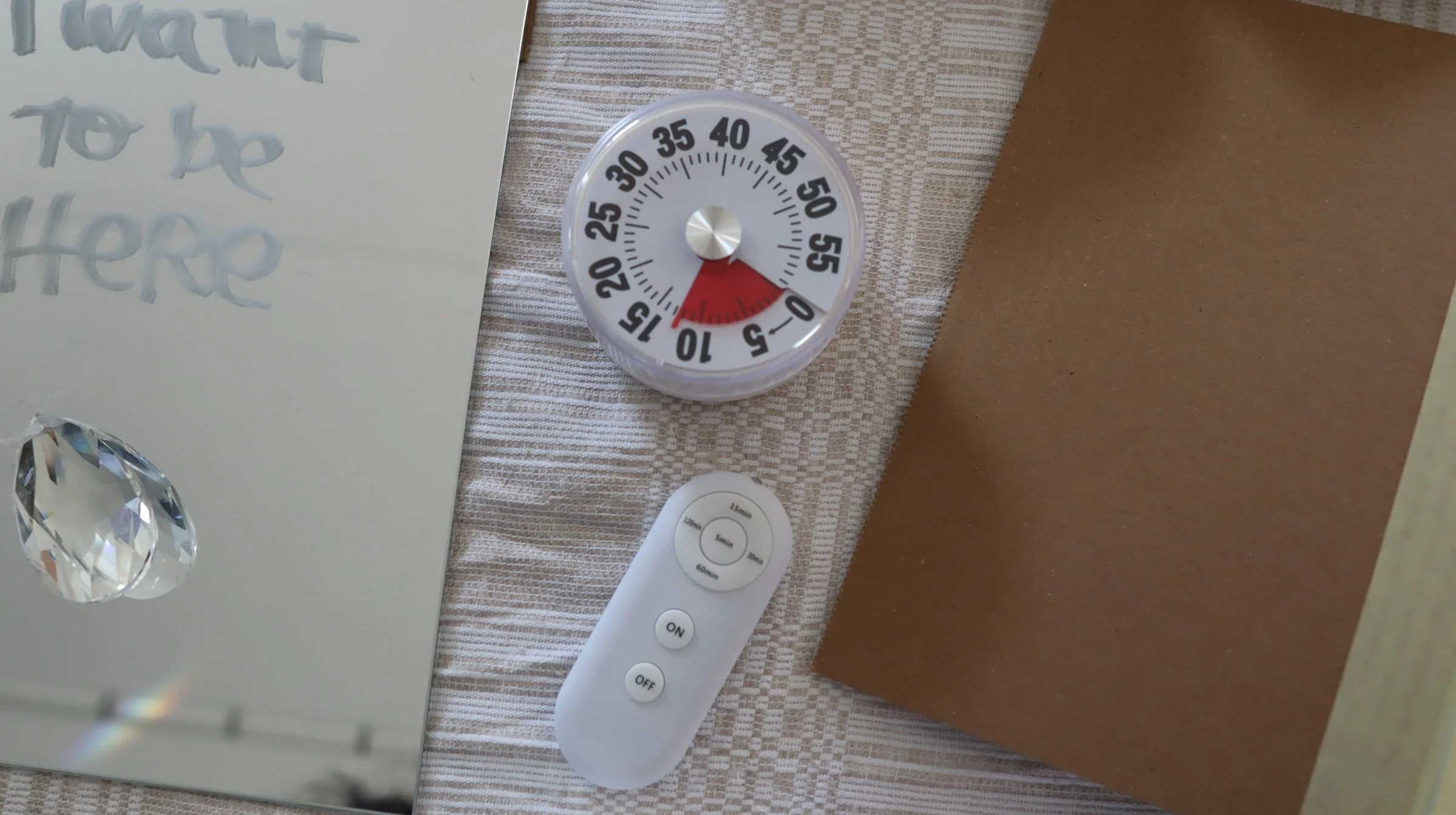
The prototypes didn’t have the lamp, they had an adapter to connect to the light bulb of their most essential lamp in their home. That’s what I asked the people:
pick the most important lamp in your home and place this adapter.
Keep the remote control in the envelope.
Turn on the light when you place the phone in the envelope and turn off the light when you take the phone out.
The main goal is to understand how users interact with the altar and explore what are the feelings associated with given away control.
It was a conversation starter to have with users.
People started talking about the time, how much time they could be without the phone. I was thinking about time as such, but the remote control came with a 15 minutes, 30 minutes and 60 minutes.
Some people said
-
"I was very surprised that only 9 minutes passed and I was already very unconfortable without my phone."
— woman, 27
-
"When I'm scrolling on my phone, that's me-time, after a long work day, I just want to seat in my sofa and scroll to relax for a bit, then I don't have to do anything else, no chores, no work."
— woman, 45
-
"I don't want be quit, I live alone. I want to hear someone talking, like youtube or something. It's like white noise, it helps me relax"
— man, 32
IT ISN’T JUST A LAMP ANYMORE.
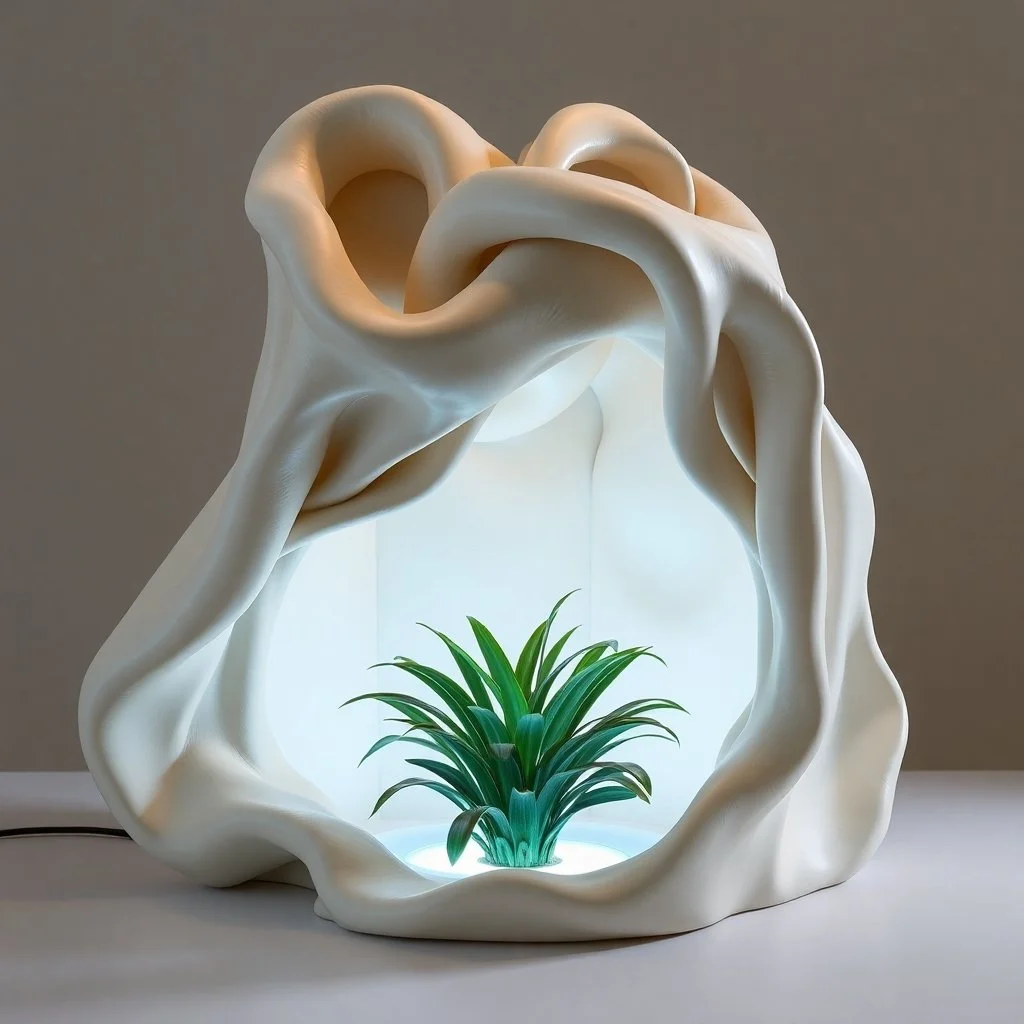
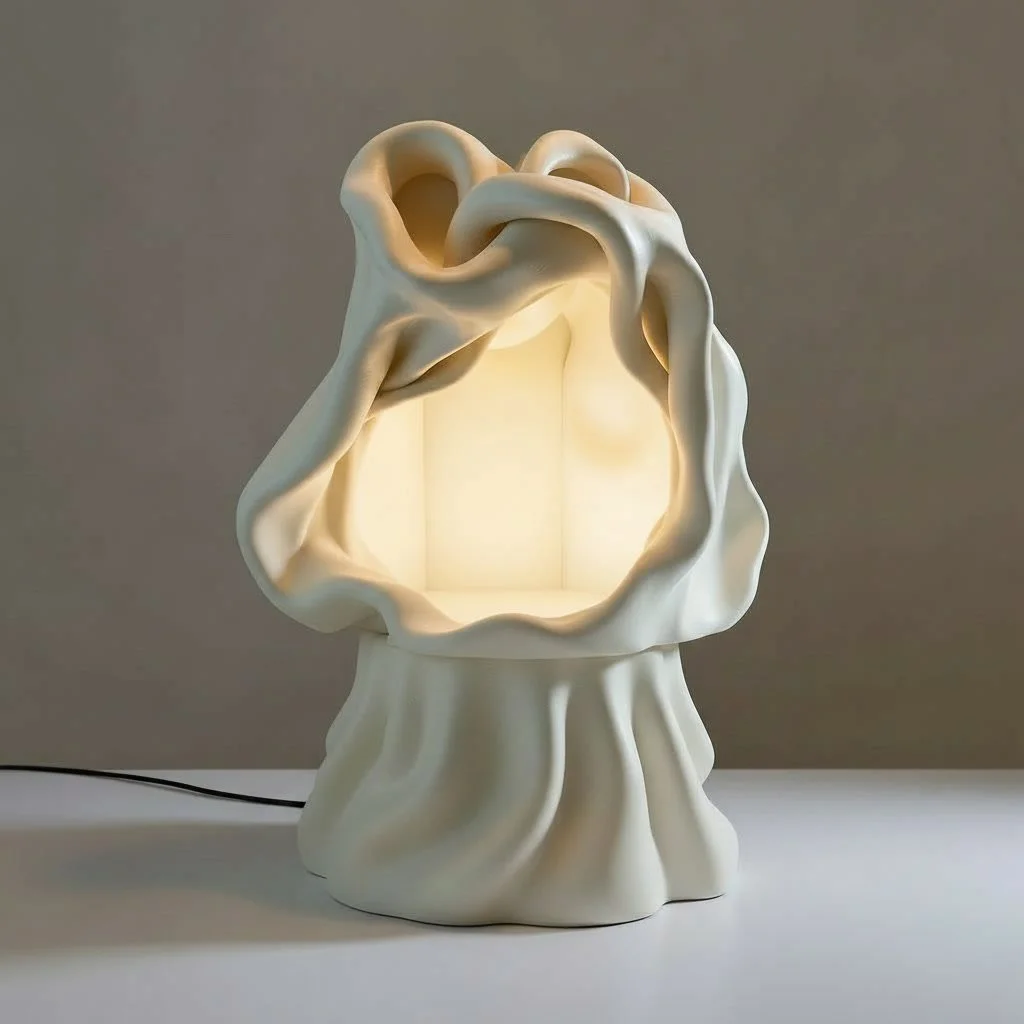

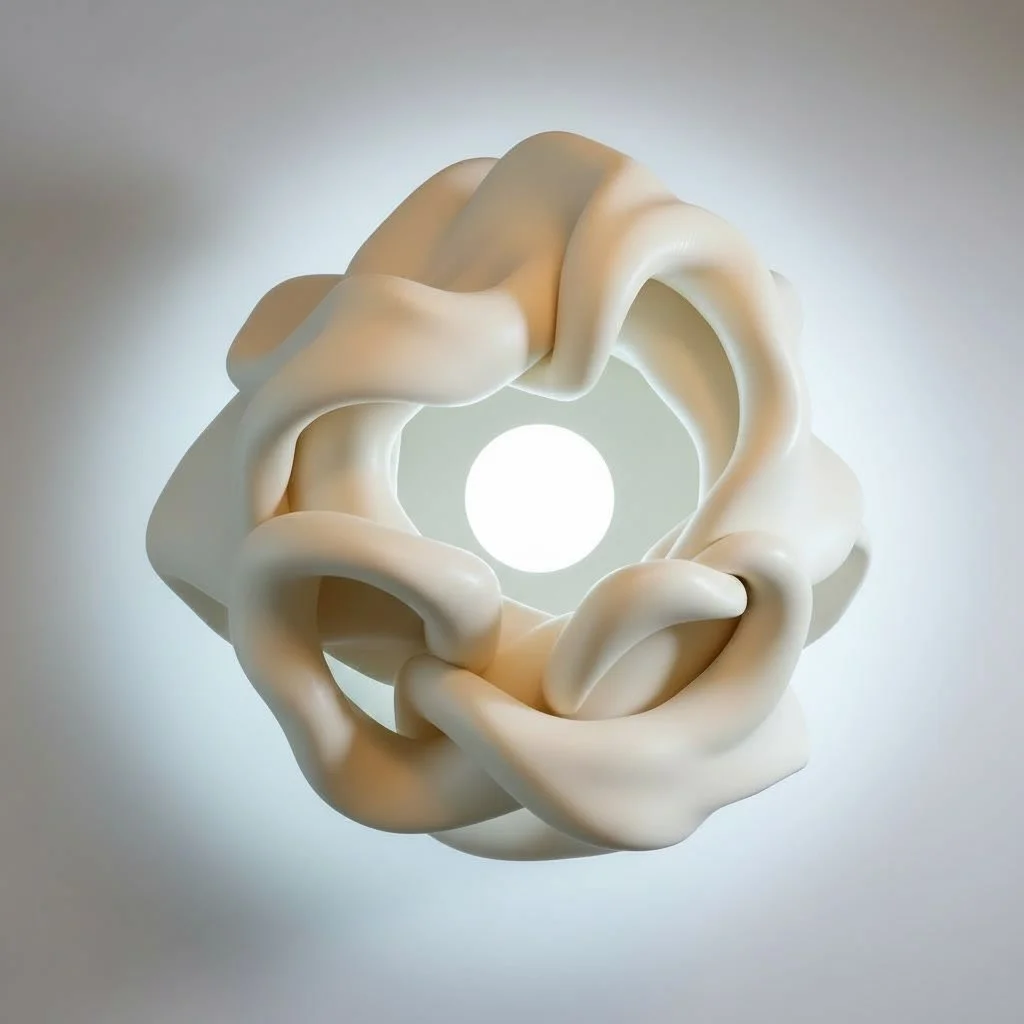
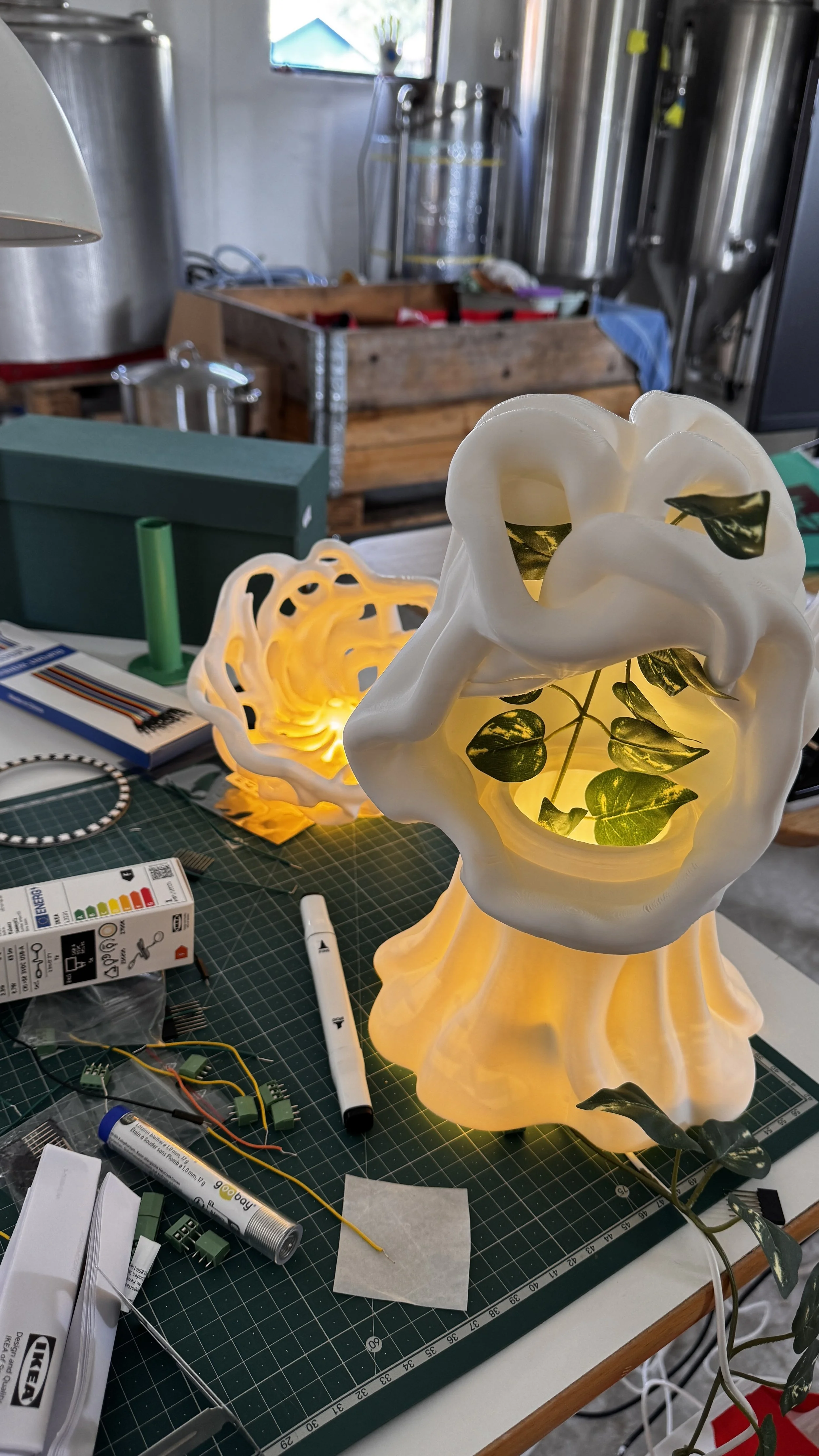
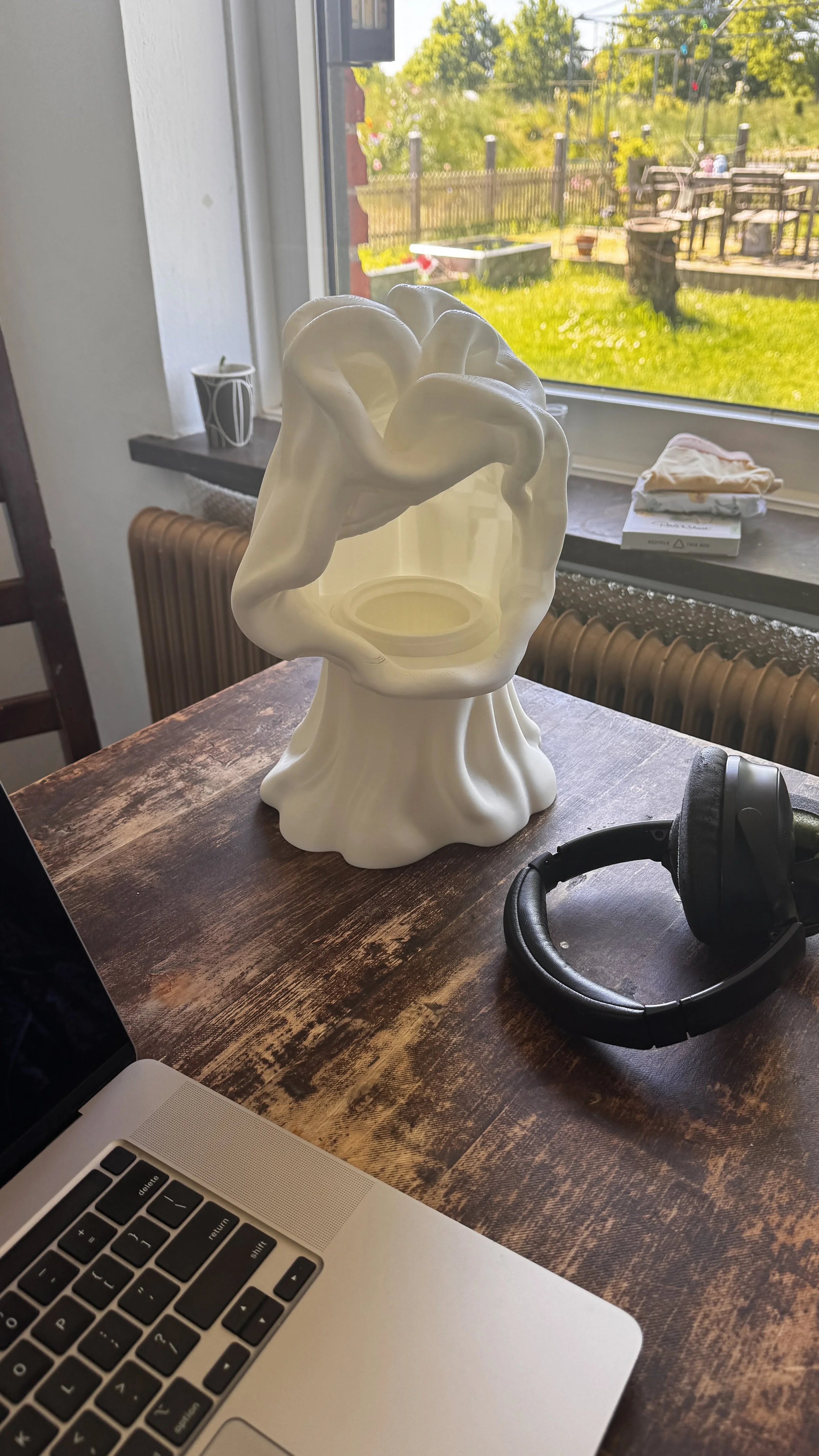
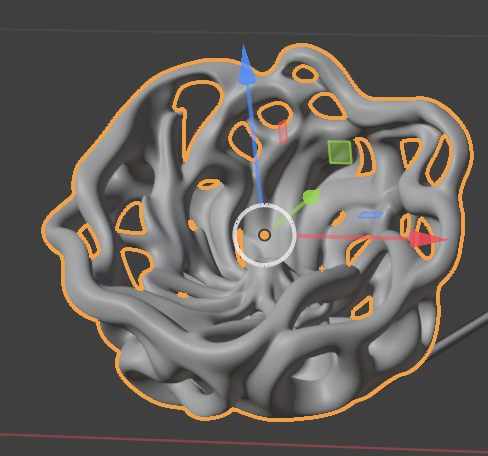
some notes from the archive
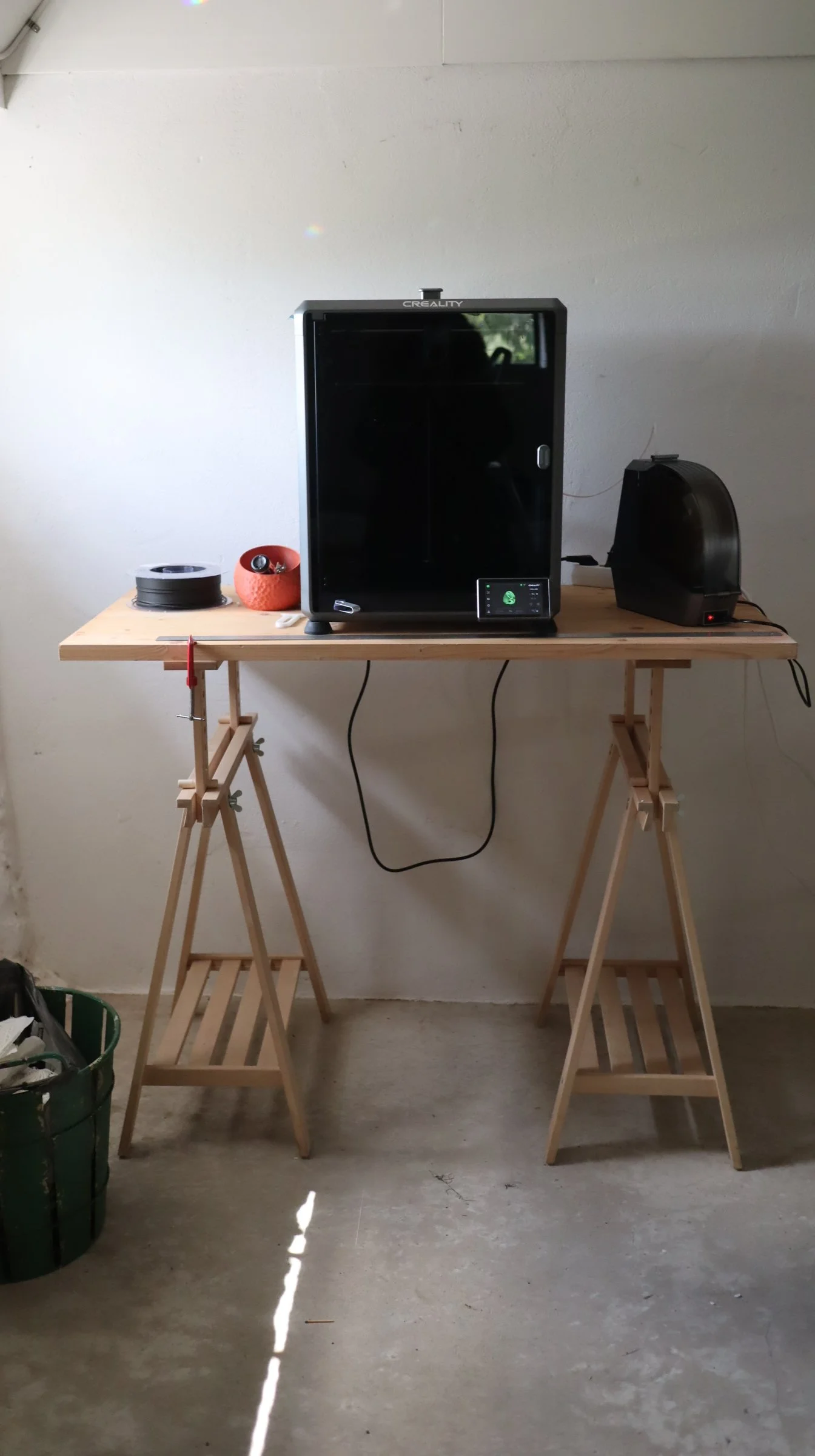
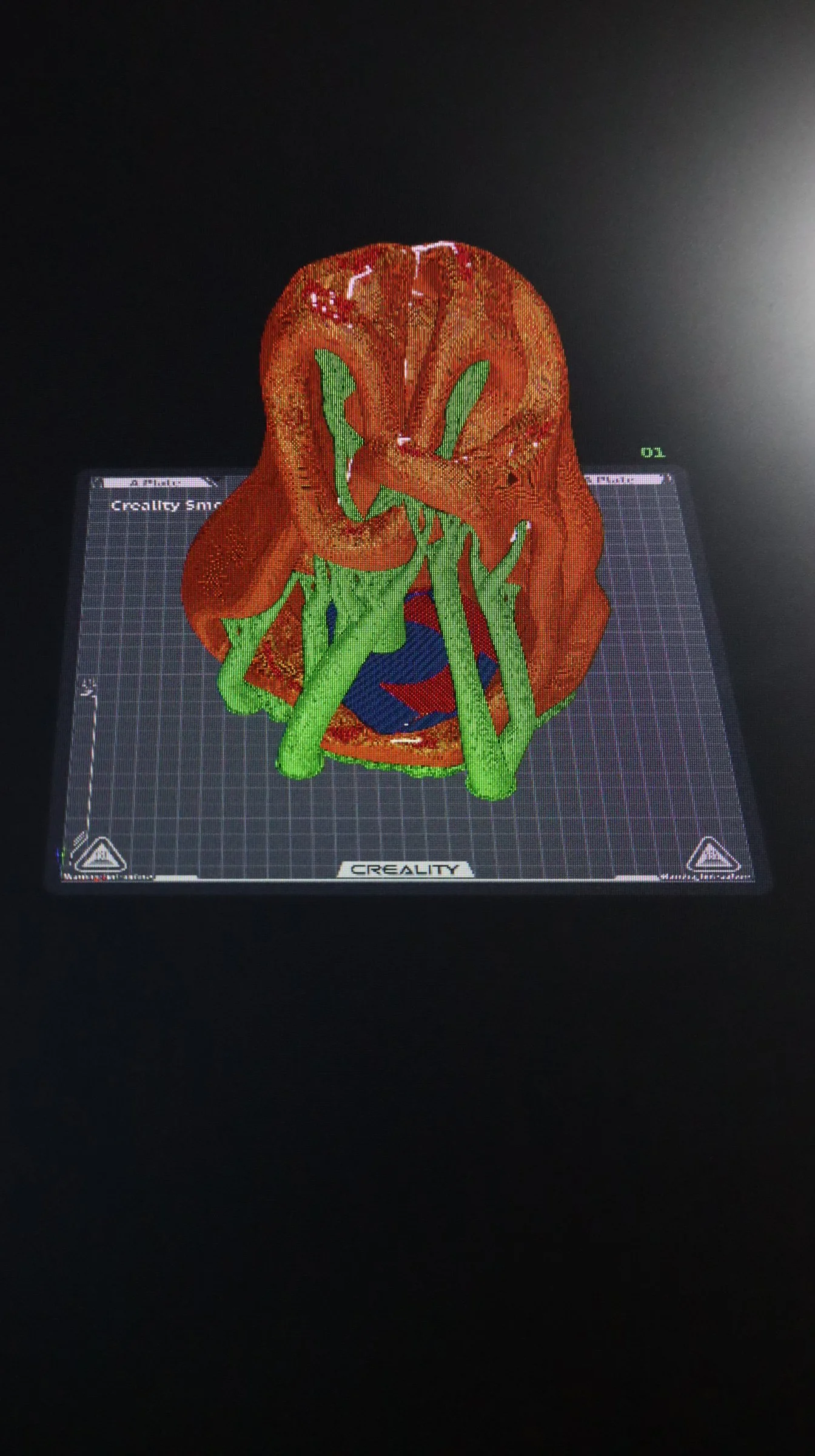
At some point, while working on the product, it felt I wasn’t landing in the right shape, that I couldn’t land the right interaction, that the work I was doing wasn’t really getting me to the expected results. The product was mostly digitally designed and each then 3d printed in PLA. The process went like this:
taking the user insights
designing an object from a conceptual side, with the desired outcome
iteraing on the shape and collecting feedback
testing interaction
changing shape
printing and iterating
changing shape
getting lost
wait
optimising shape
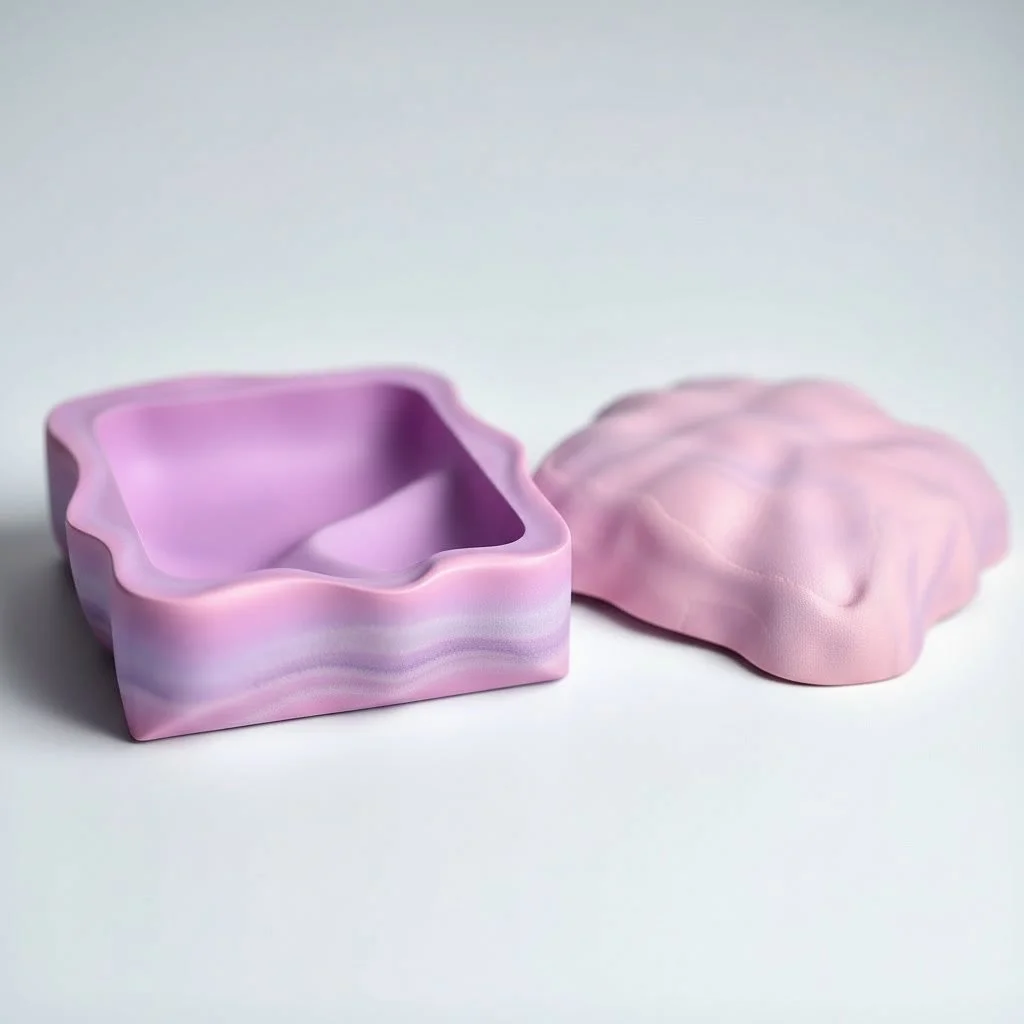
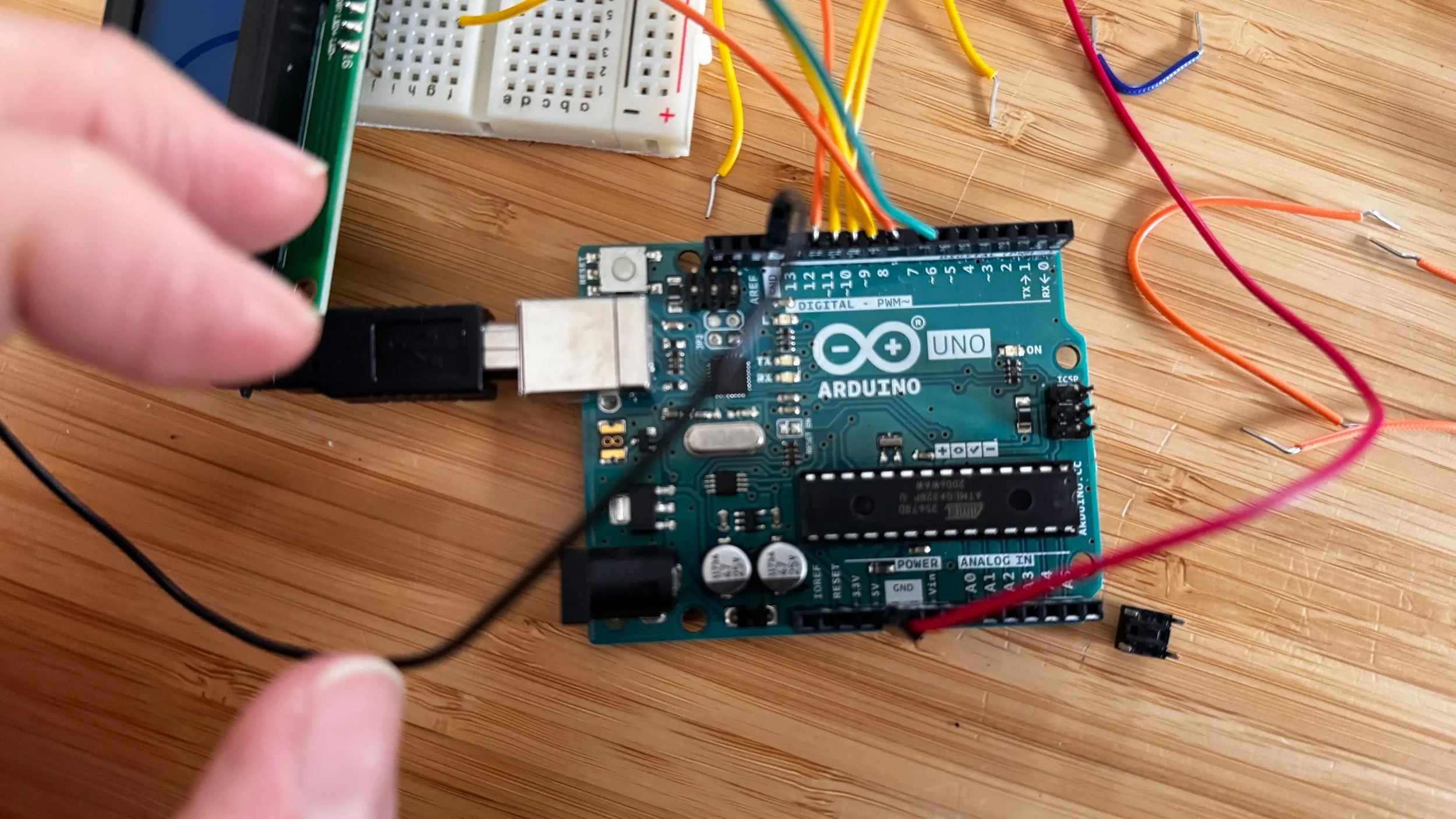
PROTOTYPE #2
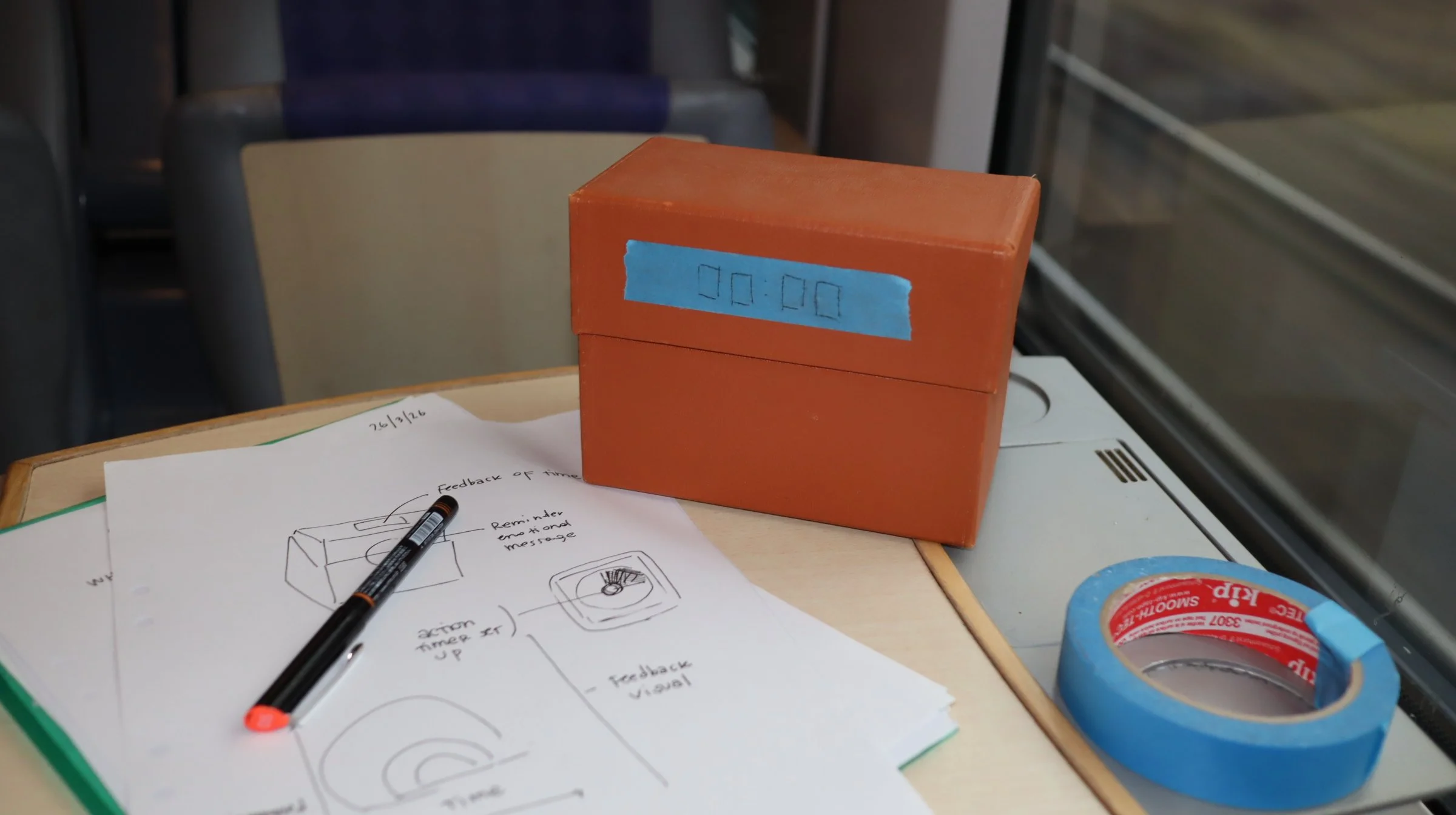
The users that tested the first prototype made it clear that a lamp wasn’t enough powerful of an object to stay away from the phone. The element of time became essential. users wanted feedback.
I started meeting with technologists, game designers, product designers and engineers. I hosted several conversations with the target groups that I identified as:
the parents who want more quality time with their kids without being on their phone to also give a good example.
the workers from home who want to get work done without looking into their phone and getting distracted.
the ones who want to read a book or watch a movie without being on their phone.
In collab with
Ikea
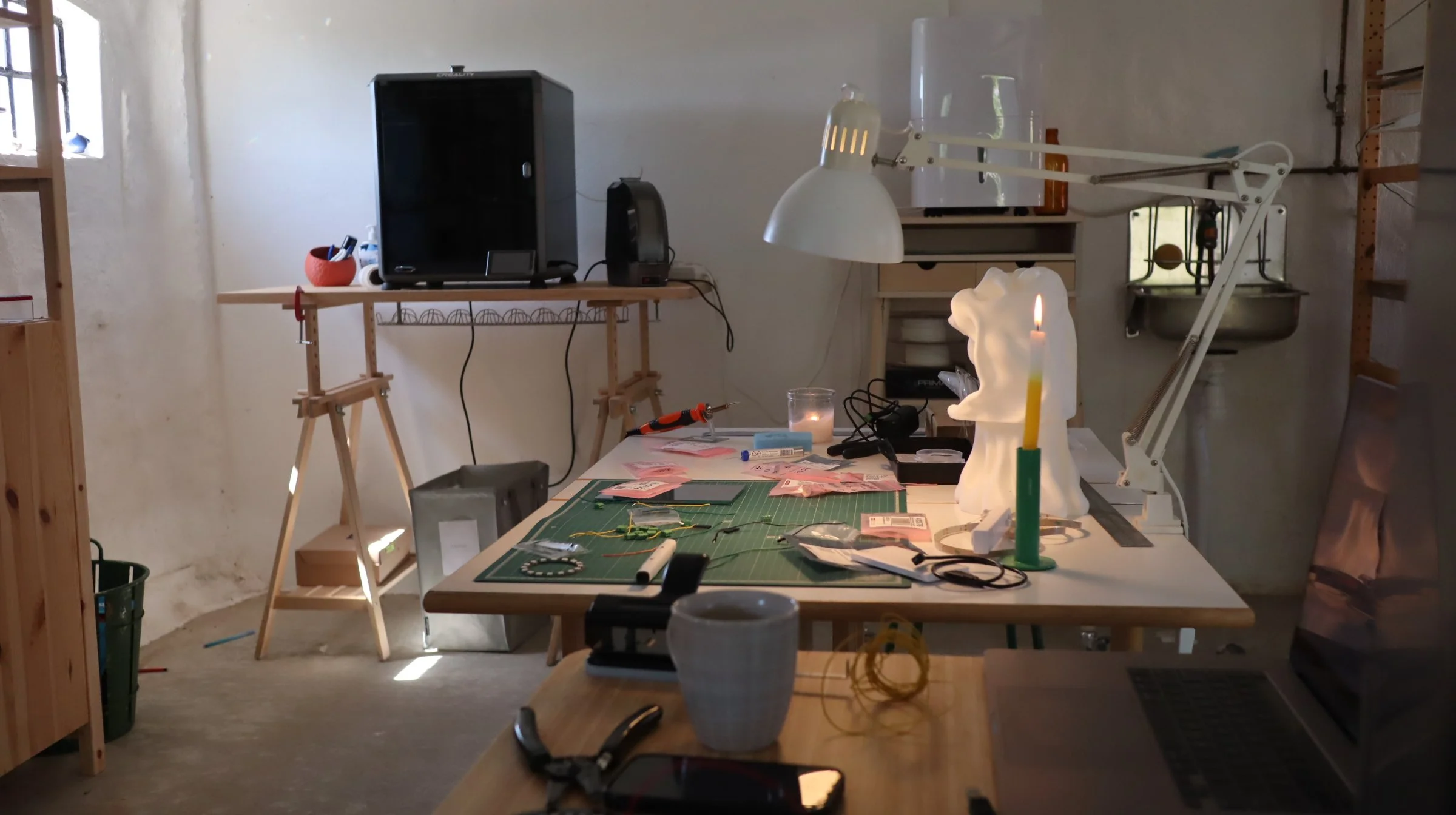
The Home of The Home Lab in Alhmut, Sweden, opened the doors of their people, workshop space, network and expertise to provide guidance for creating home living products and prototyping help.
concept, prototypeEric Antonow
concept, ideation, UX, visionAsking the right questions, vibing with the true spirit of the project.